
Recover Lost Backlinks After Site Changes Without Hurting Publisher Relationships
Site migrations and content updates can destroy valuable backlinks that took years to build. This guide shows proven methods for recovering lost links while maintaining trust with publishers who originally referenced your content. The strategies outlined here come from experts who have successfully restored backlink profiles without damaging professional relationships.

 AW
AW JB
JB IL
IL FY
FY RD
RD DB
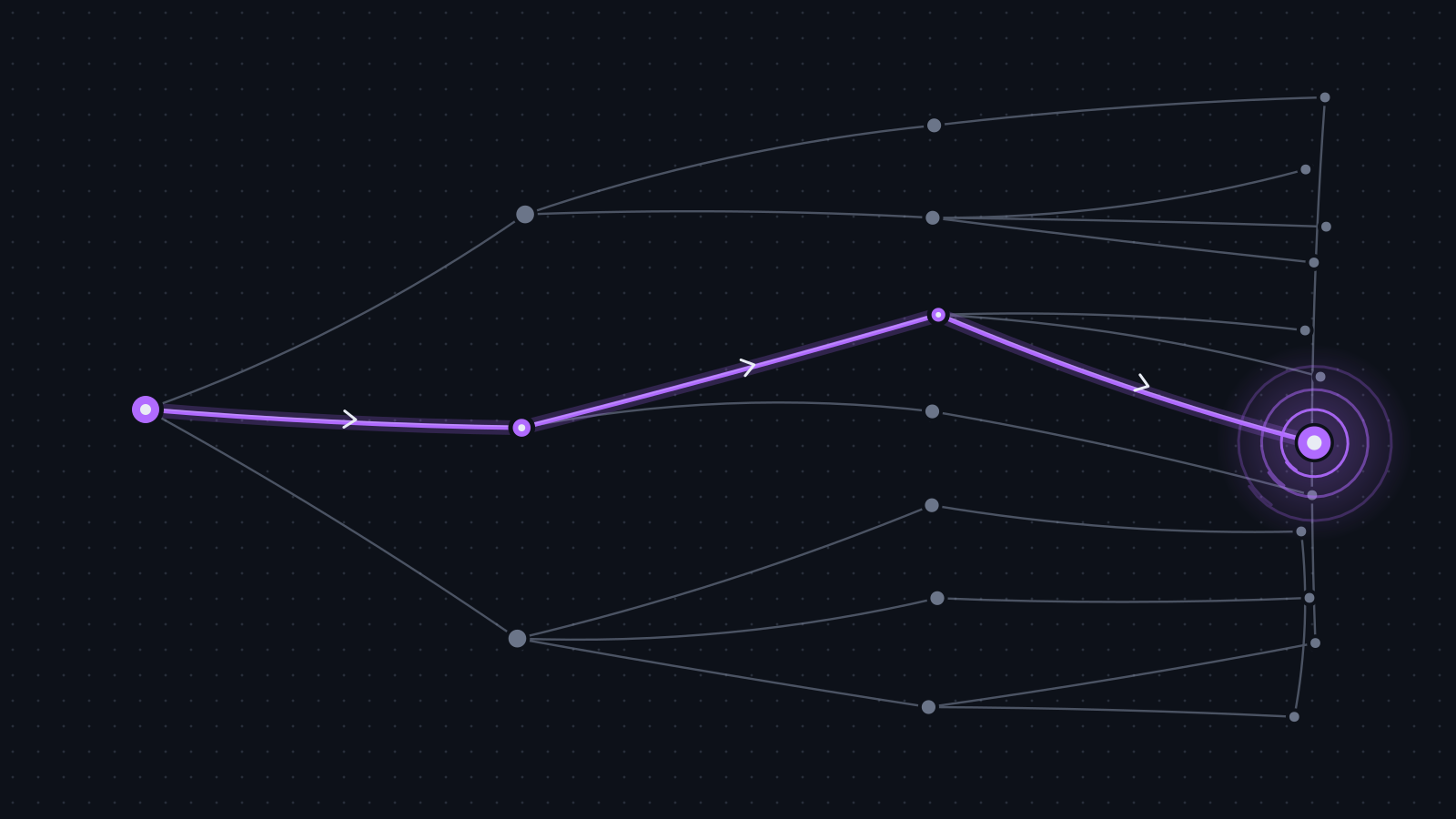
DB 7 nodes / Jason Hennessey / Aaron Whittaker / Jock Breitwieser / Ian Lawson / Farhan Yousaf / Ryan Doser / Dawood Bukhari
Focus On Original Citation Intent
A strong recovery process begins with understanding why each backlink existed, not just where it pointed. Some links were earned because of a quote, a data point, a definition, or a useful supporting explanation. Prioritizing by earned reason helps uncover the links most likely to be reclaimed successfully, especially when a migration compressed pages or changed structure. That method consistently outperforms bulk outreach based only on authority and broken status.
The most effective step was building outreach around reader experience instead of SEO value. We framed the update as a fix that prevents dead ends and keeps the original citation useful for their audience. We also included the exact linking sentence so editors could verify the match instantly. That approach preserved publisher trust because it solved a quality issue first and only indirectly restored link equity.
Keep Proven URLs Intact
Aaron WhittakerVP of Demand Generation & Marketing / Thrive Internet Marketing Agency
I'd say the step preventing backlink loss entirely was maintaining URL structure consistency during migrations and only changing URLs when absolutely necessary. Instead of restructuring entire site and breaking hundreds of links, we preserved critical link URLs even if reorganizing content internally. One client considering complete website restructure recognized migration would break 200-plus backlinks from valuable sources. Instead of full restructure, we reorganized content while maintaining existing URL structure and link equity. The conservative approach eliminated reclamation effort and prevented temporary ranking volatility. When URL structure changes were unavoidable, we implemented permanent redirects with clear messaging communicating reason for change to publishers potentially linking to old URLs.
Let Past Results Guide Repairs
Jock BreitwieserDigital Marketing Strategist / SocialSellinator
During one migration project, we made a mistake that completely changed how we handle lost backlinks. We spent weeks tracking down publishers to update broken links, only to discover that many of those links had never sent meaningful traffic or contributed much value in the first place.
Since then, the first thing we do is pull the lost URLs into Google Search Console and compare them against historical traffic and conversion data. That single step changed everything because it showed us which pages were actually worth recovering.
On one site, we found that three broken links from industry resources were tied to a page that had generated dozens of qualified leads over the previous year. Recovering those three links produced more impact than fixing dozens of lower-value mentions.
What helped preserve publisher relationships was only reaching out when there was a clear reason to do so. Instead of sending mass update requests, we contacted a small number of publishers and explained that the resource they originally linked to had been improved and relocated.
The lesson for us was that backlink reclamation is really content reclamation. When you focus on recovering the pages that were already proving their value, the priority list becomes much clearer and publishers are far more willing to help.
Track Disappearances And Act Quickly
Ian LawsonFounder | Website Planning, UX & Content Strategy Expert / Slickplan
The biggest mistake is treating every lost backlink the same. We prioritize based on the authority of the linking site, the amount of referral traffic it drives, and whether the link was earned naturally or came through a partnership or outreach campaign.
The step that made the biggest difference was building an internal tracking system that monitors newly acquired backlinks and alerts us when they disappear. Fast detection gives you options. If the link came from a relationship-based placement, we can reach out quickly and resolve the issue before it becomes a bigger problem. If it was a natural backlink, we review the page and ask why the link was removed in the first place. In many cases, the publisher updated their content, changed the page structure, or found a more relevant resource.
The key is to focus on restoring value, not demanding links back. If your content is still the best resource for their audience, most publishers are willing to work with you. If it is not, the better investment is improving the content so it earns links naturally again. Strong content attracts replacement links even when individual backlinks are lost.
Map Redirects First Then Offer Replacement
Farhan YousafOff-page seo projects manager / jitemails.com
I don't treat backlink reclamation as an outreach task first. I treat it as a recovery audit.
After a migration/major content update, the first thing we should do is check whether the lost link value can be fixed on our side through a 301 redirect, restoring old page or pointing the old URL to the closest matching new resource. Many broken backlink issues do not need publisher outreach at all; they need better URL mapping internally.
Once that is handled, I prioritize the links that are actually worth chasing. For me, that means links from relevant pages, trusted sites, pages that are still live and indexed, and backlinks that were supporting important commercial or authority pages. I would rather recover five highly relevant links than spend time chasing twenty weak ones just because the domains have high DR.
One step that has worked especially well for us at JITEmails is preparing a small replacement note before contacting the publisher. We include the exact broken URL, the article where it appears, and the best replacement page. The message is framed as a helpful content update, not a link request.
Something like: "I noticed one of the resources in your article now points to a moved page. Here's the updated version in case you want to keep that reference useful for readers."
That small change in tone makes a big difference. Publishers are much more open when they feel you are helping them fix an outdated reference, not asking them to do SEO work for you.
Personalize Help For Key Webmasters
Ryan DoserAI Marketing Expert / Ryan Doser
When our site migration broke a bunch of links, I stopped sending generic emails. Now I find the most important sites that linked to us and email their webmasters directly. I'll even record a quick screen video showing exactly what broke and how to fix it. We got way more links back this way, and people actually write back to say thanks. The trick is to focus on helping them solve their problem, not just mine. It makes a huge difference.
Prioritize Durable Topics Over Vanity Metrics
A valuable backlink should be reclaimed based on business continuity, not vanity metrics. The first question is whether the broken destination still represents a topic the brand wants to own long term. If yes, recovery deserves urgency. If not, forcing a reclaimed link to an irrelevant page can create future instability. That discipline matters in scaled agency environments, where migrations often expose old pages that no longer fit current positioning. We prioritize links tied to durable topical authority, then assess whether redirect logic or content restoration is the cleaner path.
The biggest difference came from restoring relevance before requesting edits. Publishers are far more cooperative when the updated page genuinely serves the same reader need that earned the original mention in the first place.